Easter Bunny Confetti Shaker, 3D SVG Shapes
As a brand designer who has spent the last decade helping local businesses transition from hobbyist operations to polished commercial entities, I approach every new graphic design asset with a critical eye. It is not enough for an illustration to be cute; it must serve a strategic function within a broader brand identity. Recently, I evaluated the Easter Bunny Confetti Shaker, 3D Easter file for a seasonal campaign involving a boutique bakery and a handmade soap studio. The results offered valuable insights into how layered digital assets can elevate small business branding when applied with intention.
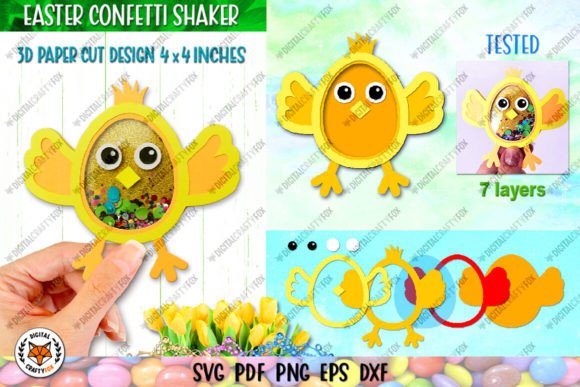
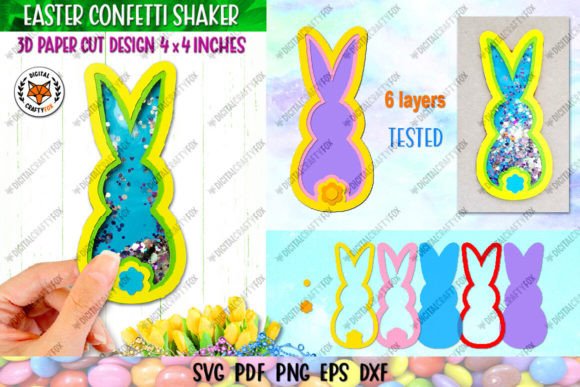
My first impression of this asset was its structural depth. Unlike flat clipart that often feels disposable, this 3D SVG utilizes a six-layer papercut aesthetic that mimics physical craftsmanship. This texture immediately suggests a brand personality that is handmade, thoughtful, and festive. For a local business specializing in artisanal goods, this visual language bridges the gap between digital convenience and tactile warmth. The mood is undeniably playful yet refined, making it suitable for brands that want to appear approachable without sacrificing professionalism. It does not scream for attention like neon graphics; instead, it invites closer inspection, which is crucial for building customer trust.
Strategic Applications for Local Retail and Food Brands
The versatility of the Easter Bunny Confetti Shaker, 3D Easter lies in its adaptability across various touchpoints. For the bakery client, we utilized the design as a central element in their packaging design. By placing the layered bunny on matte pastel boxes, we created a sense of luxury unboxing experience. The shadow effects inherent in the 3D layered design added dimension to otherwise simple packaging, enhancing shelf appeal in a crowded retail environment. This is a prime example of how a single digital product can transform standard cardboard into a memorable brand moment.
Beyond packaging, this asset proved invaluable for product label creation. For the handmade soap business, we scaled the design down for circular stickers. Because the layers are distinct, the image remains legible even at smaller sizes, provided there is sufficient contrast. We also integrated the shaker motif into social media graphics, using it as a frame for product photography. This created a consistent visual theme across Instagram and Facebook, reinforcing brand recognition during the spring season. Whether used for thank-you cards, hang tags, or website banners, the asset maintains its integrity, supporting a cohesive marketing visuals strategy.
Enhancing Brand Presentation and Visual Hierarchy
In professional branding, visual hierarchy is paramount. The Easter Bunny Confetti Shaker, 3D Easter helps guide the viewer’s eye through its concentric layers. When used in promotional flyers or posters, the design acts as an anchor, drawing attention to the center where key information or product images can be placed. This strengthens the first impression, ensuring that potential customers engage with the core message rather than getting lost in decorative noise. For creative entrepreneurs, this means less time spent arranging elements and more time focusing on copy and call-to-actions.
Furthermore, the asset supports emotional connection. Seasonal designs evoke nostalgia and joy, which are powerful drivers in consumer behavior. By incorporating this illustration into their logo design variations for the holiday period, businesses can tap into these emotions. It signals to customers that the brand is active, current, and celebrating alongside them. This relevance fosters loyalty and encourages repeat purchases, particularly in competitive sectors like food and beauty.
Contextual Limits and Design Caution
While the asset is robust, it is not universally applicable. As a designer, I advise against using such detailed Shapes in formal corporate branding or minimalist luxury contexts where simplicity is the primary value proposition. The intricate layers of the confetti shaker can compete with important text if placed too close to ingredient lists or legal information on product labels. In crowded layouts, the design may become visually noisy, reducing clarity rather than enhancing it.
Additionally, caution is required when printing on low-contrast backgrounds. The subtle shadows that give the 3D SVG its depth may disappear on dark or patterned surfaces, flattening the image and losing its intended effect. For editorial design or text-heavy menus, this graphic should be used sparingly, perhaps as a watermark or border element, rather than a focal point. Understanding these limitations ensures that the design enhances rather than detracts from the overall communication.
Practical Notes for Implementation
Before deploying the Easter Bunny Confetti Shaker, 3D Easter in a client project, I recommend several technical checks. First, test the file on real product mockup templates to gauge scale and proportion. Verify how the layers interact when converted to PNG format for web use, ensuring transparency is clean and edges are sharp. For print applications, confirm that the vector paths are closed and ready for cutting machines if physical papercrafts are planned.
Typography pairing is another critical consideration. This design pairs well with soft serif fonts or clean sans-serifs that do not compete with the intricate details of the bunny. Avoid overly decorative script fonts nearby, as they can create visual clutter. Finally, always review the commercial license associated with the design assets. Ensuring you have the right to use the file for physical product sales and client work is non-negotiable for professional practice. By treating this clipart not just as decoration but as a strategic tool, local businesses can achieve a level of professional branding that rivals larger competitors.