Jellyfish 3D Shadow Box Paper Cut Review
As a designer who spends more time staring at stitch simulations than I care to admit, I have developed a keen eye for what translates well from screen to fabric. When I first opened the Jellyfish 3D Shadow Box Paper Cut file, my initial reaction was one of cautious curiosity. The concept of translating a layered paper-cut aesthetic into embroidery is trendy, but it is also technically demanding. This design falls under the Seasons category, specifically evoking a summer vibe, which makes it a timely asset for upcoming seasonal collections. However, aesthetics alone do not sell products; execution does. Here is my practical assessment of how this 3D SVG performs in real-world embroidery scenarios.
First Impressions and Visual Personality
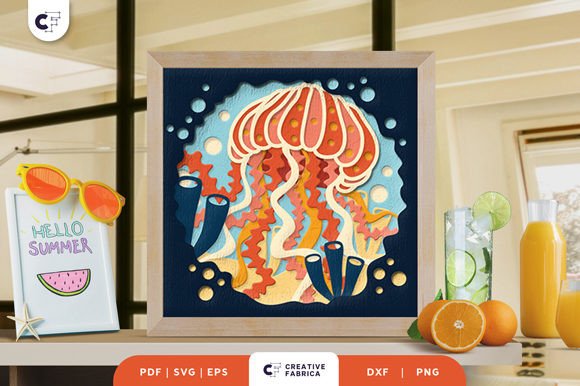
The mood of this design is whimsical yet structured. The square format provides a contained, gallery-like feel that works exceptionally well for framed pieces or centered chest placements on apparel. The layered approach mimics the depth of shadow box art, which is a clever way to add visual interest without relying solely on complex shading techniques. For an embroidery project, this means the design relies heavily on clean lines and distinct color separation to achieve its effect.
What stands out immediately is the balance between negative space and filled areas. In machine embroidery, too much density can lead to puckering, while too little can look sparse. This template appears to strike a thoughtful balance, using the layering concept to create depth rather than overwhelming the fabric with thick satin stitches. It feels modern and suitable for a boutique brand looking to offer something beyond standard floral motifs.
Real-World Application: The Custom Tote Bag Test
To truly evaluate a design, you must imagine it on a product. I visualized this jellyfish design on a natural canvas tote bag design. Canvas is forgiving, offering a stable surface that holds stitches well. The square layout of the Jellyfish 3D Shadow Box Paper Cut sits comfortably in the center of a standard tote, creating a focal point that draws the eye. The summer theme aligns perfectly with beach bags or library totes, making it a strong candidate for Etsy seller inventories during the warmer months.
I also considered its application on a lightweight linen sweatshirt embroidery project. Here, the stakes are higher. Linen shows every imperfection, and the texture can interfere with fine details. The layered nature of this design would require precise digitizing to ensure the layers do not blend into a muddy mess. If the stitch paths are well-defined, the result could be a sophisticated, high-end handmade product that commands a higher price point. However, if the registration is off, the "shadow box" effect fails, and the design loses its charm.
Navigating Fabric and Hoop Constraints
One must be realistic about where this design shines and where it struggles. The intricate layers of a paper-cut style design are not ideal for highly textured fabrics like terry cloth or heavy fleece. The fabric texture can swallow the finer details, rendering the layers indistinguishable. Similarly, stretchy knits require careful handling. Without proper stabilization, the tension from the stitches can distort the square shape, turning a crisp geometric design into a warped oval.
For those considering this for baby embroidery items, such as onesies or bibs, caution is advised. While the subject matter is gentle and appropriate, the density of multiple layers might feel stiff against sensitive skin. It is crucial to check the stitch density and consider using a soft cut-away stabilizer to maintain comfort. Additionally, small hoop sizes may limit your ability to capture the full square composition if the design is large. Always confirm the dimensions relative to your available hoops before committing to a production run.
Commercial Viability and Brand Consistency
For craft business owners, consistency is key. The Jellyfish 3D Shadow Box Paper Cut offers a distinct visual language that can help build brand recognition. Its unique style sets it apart from generic clip-art conversions. When used in commercial embroidery, such as branded aprons for a seaside cafe or custom patches for a summer camp, it adds a touch of artistic flair that customers appreciate.
The design’s versatility extends to digital embroidery file sales as well. If you are a digital product seller, providing this as part of a summer collection can attract buyers looking for fresh, seasonal content. However, remember that selling the file itself requires clear licensing terms. Since the product description mentions SVG and PDF formats, it is likely intended for cutting machines as well as embroidery. Ensure you understand the license before selling finished items or the digital assets themselves.
Practical Designer Notes for Best Results
Before running this design on a customer’s expensive garment, follow these practical steps:
- Test on Scrap Fabric: Always stitch out a test piece on the same material you intend to use for the final product. This reveals any tension issues or thread breaks.
- Check Thread Contrast: The shadow box effect relies on contrast. Use thread colors that clearly distinguish each layer. Subtle shades may look elegant but can lose definition from a distance.
- Inspect Small Details: Zoom in on the digital preview. Look for tiny connecting stitches or jump stitches that might need trimming. Clean up any unnecessary elements to streamline the stitching process.
- Mockup in Black and White: Convert your preview to grayscale to check value contrast. If the layers blend together in black and white, they will likely lack punch in color.
- Confirm Licensing: Verify whether the file allows for commercial use of the finished product. This is critical for small shop product integrity.
Final Verdict on Stitching Clarity and Value
The Jellyfish 3D Shadow Box Paper Cut is a compelling choice for designers who value artistic expression over quick, simple fills. It demands attention to detail, from the choice of stabilizer to the selection of thread colors. When executed correctly, it elevates a simple item like a tote bag or pillow cover into a statement piece. The visual appeal contributes directly to perceived value, encouraging customers to view the item as a premium personalized gift rather than a mass-produced commodity.
For holiday embroidery or summer-specific collections, this design fits naturally. It avoids the cliché of typical sea-life motifs by incorporating the trendy paper-cut aesthetic. However, it is not a "set it and forget it" file. It requires a skilled operator who understands how to manage layer registration and fabric stability. If you are an experienced embroiderer looking to expand your portfolio with unique, eye-catching designs, this asset is worth exploring. Just remember to respect the technical requirements of the layered style to ensure your finished product meets professional standards.
In conclusion, this design is a solid addition to a designer’s library, particularly for those targeting the boutique and handmade markets. It offers a fresh take on seasonal themes and provides ample opportunity for creative customization. By approaching it with a critical eye and thorough testing, you can leverage its unique style to enhance your brand’s visual identity and customer engagement.