Review: Christmas Socks 3D Shadow Box SVG
As a designer who has spent countless hours digitizing and testing machine embroidery design files, I approach every new asset with a critical eye. It is not just about whether the image looks cute on a screen; it is about how it translates to thread, fabric, and ultimately, the hands of the customer. Recently, I evaluated the Christmas Socks 3D Shadow Box Svg, a digital product that promises a layered, dimensional aesthetic. While this is technically a cut file intended for paper crafting, its structural logic offers fascinating insights for embroidery professionals looking to replicate that depth in stitched form.
First Impressions and Visual Mood
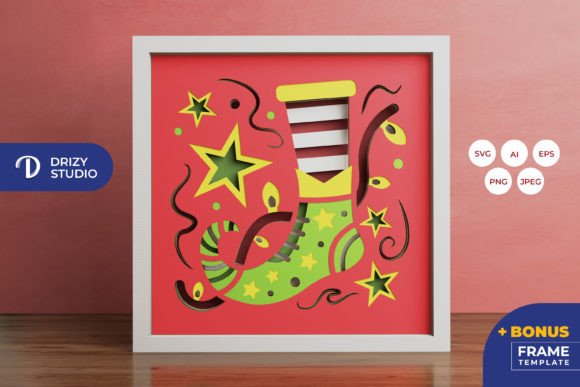
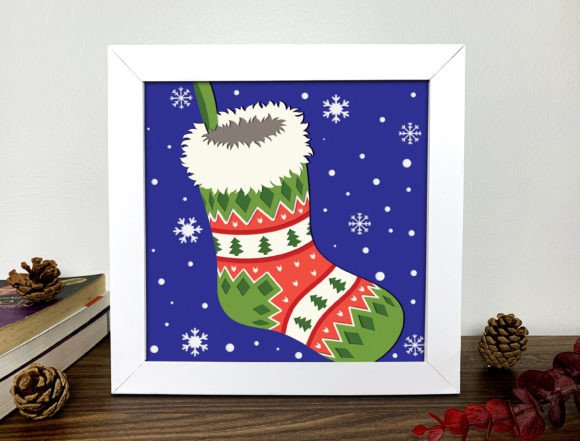
The immediate appeal of the Christmas Socks 3D Shadow Box Svg lies in its playful yet structured composition. The design captures the whimsical essence of holiday embroidery without relying on overly complex details that often fail at smaller scales. The silhouette of the sock is classic, but the "shadow box" element suggests layers—perhaps a cuff, a heel, and decorative motifs like snowflakes or stripes that sit visually on top of one another.
For an embroidery designer, this layered visual language is crucial. It tells me that if I were to convert this concept into an applique design or a multi-color stitch file, I would need to prioritize clear separation between elements. The mood is cozy and nostalgic, fitting perfectly into the current trend of handmade holiday decor. It does not scream for attention with neon brightness but invites a closer look, which is exactly what you want in a high-quality handmade product.
Real-World Application: The Custom Sweatshirt Test
To truly understand the value of this design, I imagined applying its aesthetic to a real client project: a custom sweatshirt embroidery order for a boutique client. The client wanted something festive but modern, avoiding the cluttered look of traditional holiday sweaters. Using the layout principles from the Christmas Socks 3D Shadow Box Svg, I envisioned a large-scale back print or a chest-pocket applique.
In this scenario, the "3D" aspect of the SVG translates to physical dimension in embroidery. By using a combination of fill stitch for the main body of the sock and a dense satin stitch for the cuff and trim, you can mimic the shadow box effect. The result is a tactile experience. When a customer runs their hand over the finished product, they feel the ridge of the satin stitch against the softer fill, creating a sensory engagement that flat prints cannot achieve. This kind of thoughtful execution builds customer trust and justifies a higher price point for your small shop product.
Versatility Across Product Lines
One of the strengths of this design concept is its adaptability. While the SVG itself is for paper cutting, the visual blueprint works across various embroidery project types. Consider a tote bag design for holiday gift-giving. A sturdy canvas bag can handle the heavier stitch density required to create the bold lines of the sock. Here, the design acts as a focal point, balanced by negative space.
For baby embroidery, such as a onesie or a burp cloth, the design would need simplification. The intricate layers of the shadow box might be too dense for delicate knit fabrics. In this case, I would recommend stripping back the details to the essential outline and using a simple running stitch for internal details to keep the fabric flexible and comfortable. Similarly, for an embroidered patch, the defined edges of the SVG translate well to merrowed borders, creating a durable accessory that can be ironed onto jackets or hats.
Technical Considerations and Pitfalls
However, enthusiasm must be tempered with technical reality. When working with designs inspired by 3D SVG structures, stitch density is your biggest challenge. If you attempt to replicate every layer of the shadow box with solid fills, you risk creating a stiff, cardboard-like patch on your fabric. This is particularly problematic on stretchy fabric or thin materials like silk or lightweight cotton.
I advise careful consideration of hoop size and placement. On curved surfaces like caps, a large, dense design can cause puckering. If you are adapting this sock motif for a hat, reduce the overall size and use lighter underlay stitches to stabilize the fabric without adding bulk. Additionally, pay attention to thread colors. High contrast is key to maintaining the "shadow" effect. If you use similar shades for the layers, the dimensional illusion will be lost, and the design will look muddy.
Another critical factor is the stabilizer. For a design with significant coverage, a cut-away stabilizer is often necessary to support the weight of the threads, especially if the item will be washed frequently. Always test on scrap fabric first. Check how the fabric texture interacts with the stitches. A fuzzy fleece will swallow small details, while a smooth polyester will show every imperfection in tension.
Enhancing Brand Value and Presentation
From a business perspective, using well-structured designs like the Christmas Socks 3D Shadow Box Svg as inspiration elevates your brand. It shows that you understand composition and depth. When you present your work, whether through printable mockup images or physical displays at craft fairs, the professionalism of the stitch-out reflects directly on your perceived value.
For Etsy sellers and digital embroidery file creators, this highlights the importance of offering versatile assets. If you are selling the finished personalized gift, ensure that your marketing photos highlight the texture and dimension. If you are selling the design assets themselves, provide clear instructions on recommended applique design techniques or stitch settings to help your buyers succeed.
Final Designer Notes
Before committing to a full production run or listing a new item, take these practical steps. First, verify the licensing terms. Since the original product is a digital SVG for paper crafts, ensure you have the right to use the visual concept for commercial commercial embroidery sales. Second, create black and white mockups to check the readability of the design without color distraction. Third, compare the design on both light and dark backgrounds to ensure versatility.
The Christmas Socks 3D Shadow Box Svg serves as an excellent reminder that good design transcends medium. Whether you are cutting paper or stitching thread, the principles of layering, contrast, and balance remain constant. By approaching this design with a designer’s eye, you can create custom apparel and home goods that stand out in a crowded market. It is not just about following a pattern; it is about interpreting a visual idea into a tangible, high-quality reality that resonates with your audience.
Ultimately, the success of your craft business depends on these small decisions. Choosing the right motif, adjusting the density, and selecting the proper materials are what separate amateur attempts from professional-grade holiday embroidery. Use this design as a springboard for creativity, but always let the limitations and possibilities of your machine guide your final execution.