Rock Numbers 3D SVG: A Designer’s Real-World Review
As an embroidery designer who has spent countless hours digitizing, stitching out, and troubleshooting files for clients, I have learned that not all digital assets are created equal. When I first encountered the Rock Numbers 3D SVG, my initial reaction was one of cautious curiosity. The term "3D" in the context of vector files often implies complex layering or shadow effects that can be a nightmare to translate into thread. However, after downloading the zipped folder and examining the contents, I found a collection that balances visual depth with practical usability. This review breaks down how this specific set of numbers performs in real-world embroidery projects, from custom apparel to boutique home decor.
First Impressions: Visual Personality and Layout
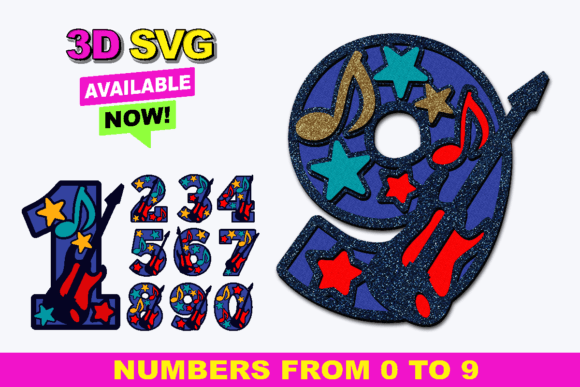
The Rock Numbers 3D SVG collection includes numbers 0-9, which is a fundamental requirement for any serious craft business. What stands out immediately is the bold, structured aesthetic. These are not delicate, script-style numerals; they possess a solid presence that commands attention. The "3D" aspect is achieved through layered geometry, giving the numbers a sense of weight and dimension without relying on overly intricate details that might get lost in stitching.
For an embroidery project, this visual personality is crucial. It suggests durability and modernity. The shapes are clean, with defined edges that translate well into both satin stitch borders and fill stitch interiors. When I loaded the files into my design software, the layering was intuitive. The description notes that the collection includes three layered files, which is a significant advantage. It allows for flexibility in how you approach the design, whether you are using it for cut-file applications in Silhouette Studio and Cricut Design Space or adapting it for machine embroidery.
Real-Case Scenario: The Custom Sweatshirt Project
To truly evaluate a design, you must imagine it on fabric. I recently worked on a commission for a local sports team needing personalized warm-ups. The client wanted something that looked professional but had a bit of edge. I selected the number "7" from the Rock Numbers 3D SVG set to test on a heavyweight cotton blend sweatshirt.
The result was impressive. Because the design falls under the Shapes category, it lacks the fragile tendrils of floral motifs that often snag or pucker. The bold lines of the number held up beautifully against the textured fabric of the sweatshirt. The 3D layering allowed me to use two contrasting thread colors, creating a shadow effect that popped without looking cluttered. This is where the design shines: it adds value to the finished product by looking custom-digitized rather than like a generic clip-art application.
For Etsy sellers and small shop owners, this type of versatility is gold. You can easily adapt these numbers for baby embroidery on onesies by scaling them down, or for holiday embroidery on tote bags by scaling them up. The key is that the design maintains its integrity across different sizes, provided you respect the limits of your hoop and needle.
Performance on Various Fabrics and Hoops
One of the most critical aspects of reviewing a digital embroidery file is understanding its limitations. While Rock Numbers 3D SVG is robust, it is not immune to the physics of stitching. Here is where I advise caution:
- Stretchy Fabrics: When working on jerseys or thin knits, the density of a 3D-style number can cause puckering. Always use a high-quality cut-away stabilizer to support the stitch density.
- Small Hoop Sizes: If you are stitching on a 4x4 hoop, ensure you are not cramming too much detail into a tiny space. The layers need room to breathe. If the number is too small, the 3D effect may merge into a solid blob of thread.
- Dark Fabrics: The contrast is vital. Since this is a layered design, using similar shades for the base and the shadow can make the 3D effect disappear. I recommend testing high-contrast thread colors to ensure the depth is visible.
- Curved Surfaces: Applying this to a cap requires careful hooping. The rigid structure of the numbers works well on the flat front panel of a cap, but avoid placing it on the curved side panels where distortion is likely.
For commercial embroidery projects, consistency is key. I found that running a test stitch-out on scrap fabric of the same type as the final garment is non-negotiable. This allows you to check tension and ensure that the satin stitch edges are crisp and the fill stitch coverage is even.
Enhancing Product Value and Brand Consistency
Why choose Rock Numbers 3D SVG over a standard font? It comes down to perceived value. In the world of handmade products, customers are paying for uniqueness. A standard Arial number looks like a print; a layered, 3D-styled number looks like a crafted asset. This distinction helps build trust with buyers who are looking for quality personalized gifts.
For apparel decorators and boutique branding, using a consistent set of numerals across your product line creates a cohesive look. Whether you are making embroidered patches for jackets or tote bag designs for market shoppers, having a unified numerical style helps establish your brand identity. The bold nature of these numbers also makes them excellent for printable mockups. When you list your items online, the clear geometry photographs well, allowing potential customers to see the detail even in thumbnail images.
Practical Designer Notes for Best Results
Before you commit to a large production run or list a new item in your store, consider these practical steps:
- Check Licensing: Always confirm the license terms included in the download. Ensure you are cleared for commercial use if you plan to sell custom apparel or digital products.
- Test Stitch Density: If your machine allows, adjust the density settings. Sometimes, reducing the fill density slightly can prevent the fabric from becoming stiff, especially on lighter materials like tea towels or pillow covers.
- Contrast Testing: Create black and white mockups to see how the layers separate visually. If the shadow layer is too subtle, adjust the thread color to a darker or lighter shade to enhance the 3D illusion.
- Hooping Strategy: For larger numbers, consider using a floating method with strong adhesive stabilizer if the garment is too bulky to hoop traditionally, such as with hoodies or backpacks.
- Detail Inspection: Zoom in on the corners of the numbers in your software. Ensure there are no overlapping nodes that could cause thread breaks or bird nests during stitching.
The Rock Numbers 3D SVG is a versatile addition to any designer’s library. It bridges the gap between simple shapes and complex dimensional art. By understanding its strengths in bold applications and respecting its needs regarding stabilization and contrast, you can create stunning embroidery projects that stand out in a crowded market. Whether you are a hobbyist making gifts for family or a seasoned craft business owner fulfilling orders, this set offers the reliability and style needed for professional results.