Cactus in a Pot 3D Paper Cut SVG Review
As a designer who spends half my life staring at digitized files and the other half watching needles punch through fabric, I have learned to be skeptical of trends. The Cactus in a Pot 3D Paper Cut SVG caught my eye not because it was loud, but because it promised a specific kind of calm. In the world of Cacti And Succulents, we often see overly cartoonish or aggressively realistic designs. This file sits comfortably in between, offering a stylized, layered aesthetic that mimics the popular paper-cut craft trend but translates it into a format ready for our machines.
I approached this 3D SVG with a specific project in mind: a line of premium cotton tote bags for a local botanical shop. The client wanted something that felt modern, organic, and slightly architectural. They did not want a generic clip-art look. They wanted a handmade product feel, even though it would be produced via machine embroidery. Here is my breakdown of how this design performs in the real world, away from the glossy preview images.
First Impressions and Visual Personality
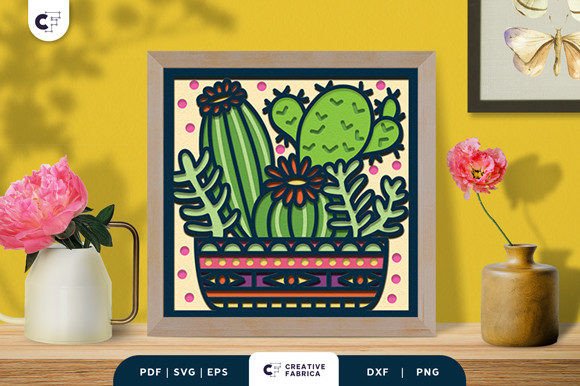
The immediate mood of the Cactus in a Pot 3D Paper Cut SVG is one of structured serenity. The description mentions that "the ten paper cuts establish a variety of cacti," and visually, this layering creates depth without requiring complex shading techniques. For an embroidery designer, this is a relief. Instead of relying on thousands of satin stitches to create dimension, the design uses shape and overlap to do the heavy lifting.
The layout is balanced. The pot anchors the design, providing a solid base, while the cacti rise with a gentle asymmetry that feels natural rather than rigid. This visual personality makes it incredibly versatile. It does not scream for attention; it invites it. This is crucial for custom apparel and home goods where the item needs to fit into a existing decor or wardrobe, not dominate it. The clean lines suggest a modern minimalist approach, which appeals strongly to today’s Etsy seller demographic and boutique owners looking for understated elegance.
Real-World Application: The Tote Bag Test
To test the viability of this embroidery file, I ran it on a heavy-weight canvas tote bag. This is a common request for small shop products and corporate gifts. The result was impressive. Because the design relies on distinct shapes rather than fine, fragile details, it held up well against the textured weave of the canvas.
The "paper cut" effect translates beautifully into embroidery when you manage your thread colors correctly. I used matte cotton threads to mimic the look of actual paper. The contrast between the pot and the various cactus layers created a subtle shadow effect, enhancing the 3D illusion. For a tote bag design, this level of detail adds perceived value. It looks like a thoughtful personalized gift rather than a mass-produced imprint. Customers are more likely to trust the quality of a brand when the embroidery looks intentional and crisp, and this design delivers that professionalism.
Apparel and Home Decor Potential
Beyond totes, I see strong potential for this design in sweatshirt embroidery. Placed on the left chest of a neutral-toned crewneck, it acts as a sophisticated logo substitute. It works equally well as a larger back print on a hoodie, provided you scale it correctly. For baby embroidery, the soft, rounded edges of the cacti make it safe and appealing for nursery items like pillow covers or blanket accents. It avoids the sharp, aggressive thorns often seen in realistic cactus designs, making it family-friendly.
In the realm of holiday embroidery, this design is a year-round performer. It does not tie itself to a specific season, which is a massive advantage for craft business owners who need evergreen design assets. However, by swapping thread colors to festive reds and greens, it easily transitions into a Christmas motif, demonstrating its flexibility as a commercial embroidery staple.
Technical Considerations and Pitfalls
While the design is robust, it is not without its challenges. The term "3D" in the title refers to the visual layering, not necessarily puffy foam application, though it could support it if digitized further. As it stands, it is a flat embroidery design. You must be careful with stitch density. If the original file is too dense, it can cause puckering on lighter fabrics. I strongly advise testing on scrap fabric first, especially if you are working with thin materials like voile or lightweight jersey.
Curved surfaces present another hurdle. Attempting this on a cap or hat requires careful hooping and possibly a stronger backing. The multiple layers of the "paper cut" style mean there are many start and stop points. On a curved surface, these can shift if the stabilizer is not adequate. I recommend using a cut-away stabilizer for garments that will be washed frequently, such as t-shirts and baby clothes, to maintain the integrity of the finished product.
Another area for caution is color contrast. On dark fabrics, the subtle differences between the cactus layers might get lost if you do not choose thread colors with sufficient value difference. I always test my designs in black and white mockups first to ensure the shapes remain distinct regardless of hue. If the layers blend together, the "3D" effect collapses, and the design looks muddy.
Enhancing Brand Value and Customer Trust
For digital embroidery file sellers and those creating physical goods, the clarity of this design boosts brand consistency. A clean, well-executed embroidery job signals quality. When a customer receives a personalized gift featuring this cactus, the crisp edges and logical layering reinforce the idea that the maker cares about details. This builds customer trust and encourages repeat business.
Furthermore, the design is highly photogenic. For Etsy sellers and online boutiques, the visual appeal of the embroidered item translates directly to better printable mockup results and social media engagement. The geometric nature of the paper-cut style photographs well under various lighting conditions, making it easier to market your embroidery project online.
Final Designer Notes
Before committing to a large production run or listing this as a key product in your small shop product lineup, take these practical steps:
- Check the License: Always confirm whether the file allows for commercial use if you plan to sell finished items. Do not assume; read the terms.
- Test Stitch Density: Run a test stitch-out on your primary fabric type. Adjust tension if necessary to prevent puckering.
- Verify Hoop Size: Ensure the design fits within your standard hoop sizes without needing excessive resizing, which can distort the aspect ratio.
- Thread Selection: Use high-quality threads to prevent breakage during the numerous color changes inherent in layered designs.
- Fabric Compatibility: Avoid using this on highly stretchy fabrics without proper stabilization, as the dense areas may restrict movement and cause discomfort.
The Cactus in a Pot 3D Paper Cut SVG is a solid addition to any designer’s library. It bridges the gap between trendy digital art and tangible textile craft. With careful attention to fabric choice and thread contrast, it can elevate simple items into desirable, high-value goods. It is not just a decoration; it is a tool for creating connection and calm in a busy world, stitched one layer at a time.